
Concrete Cistern Liners: Give an Old Cistern a New Watertight Interior
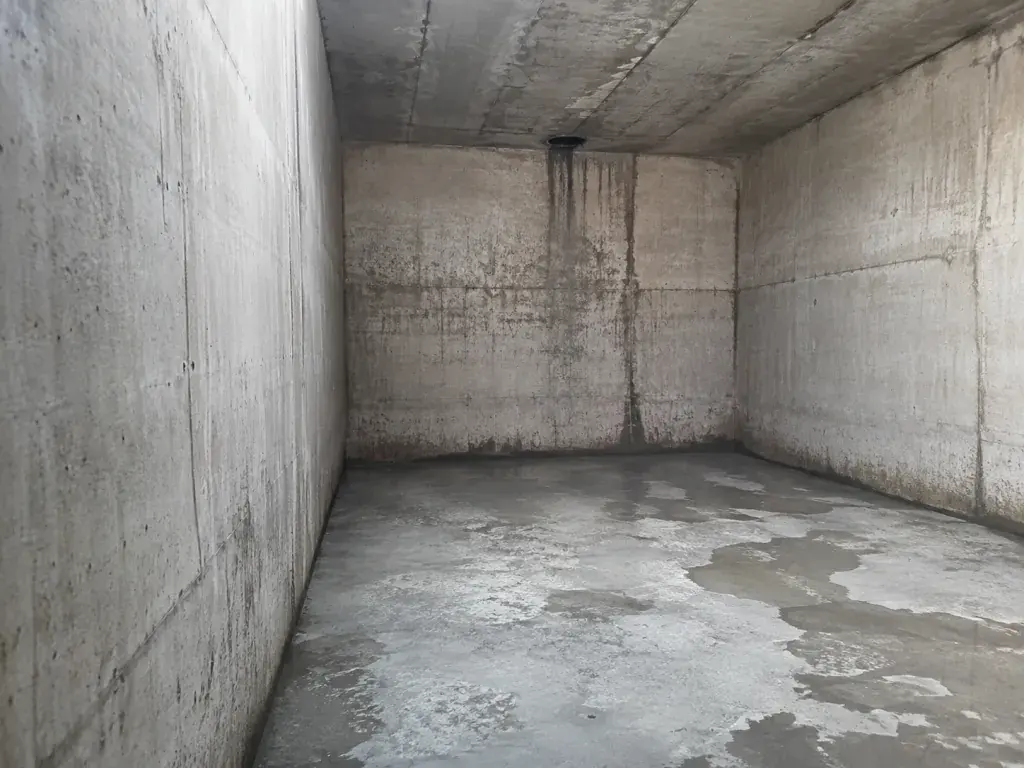
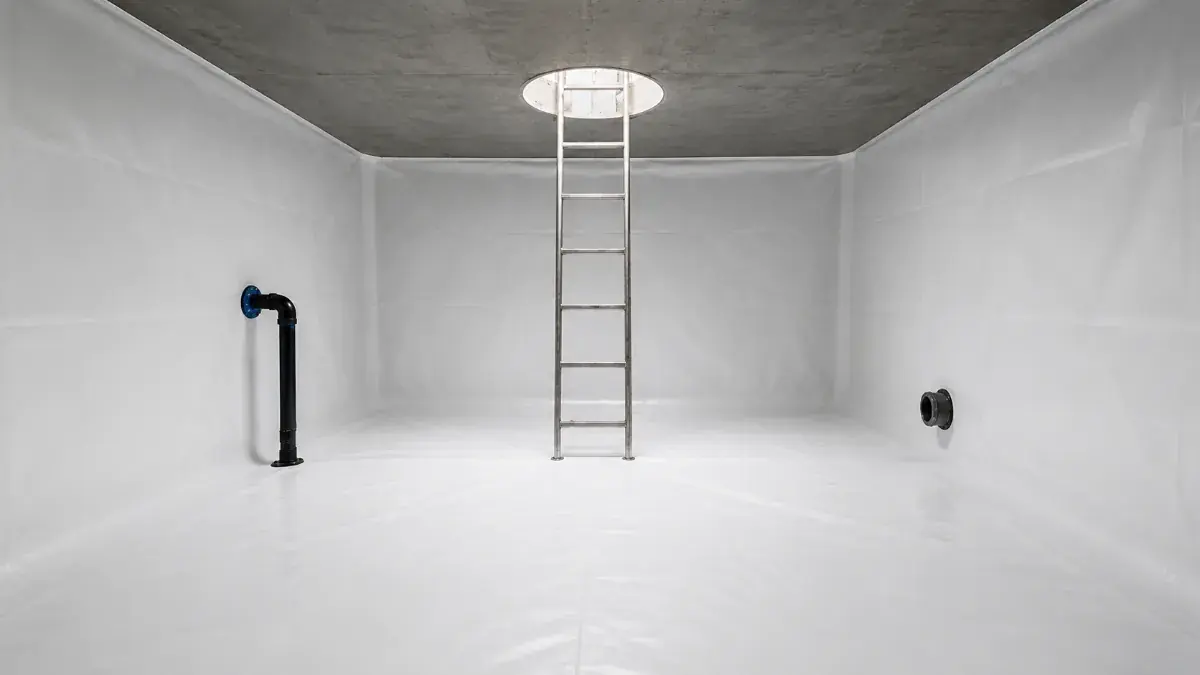
Concrete is strong but not fully watertight. A custom liner isolates your stored water from porous, cracked or deteriorating concrete, so you can keep the cistern you have.
- Made for old, porous and cracked concrete cisterns
- Avoids excavation, demolition and rebuilding
- Fabricated to your cistern's exact dimensions
No exact measurements needed. Phone photos are fine.
- 5 years in businessHundreds of custom liners supplied
- NSF/ANSI/CAN 61Food-grade liner material
- 10-year warrantyManufacturer coverage, seams included
- Shipped across CanadaDIY or professional install
Strong structure, aging surface
Cracks
Settlement, movement and freeze-thaw cycles open cracks that keep moving.
Porous concrete
Older concrete can seep water without a visible crack.
Failed repairs
Old coatings, mortar and sealants separate or re-crack.
Leaking penetrations
Pipes, drains and overflows need careful waterproofing.
Line it when the structure is sound but the surface isn't
- The cistern repeatedly loses water
- There are multiple cracks or seepage areas
- Previous patches keep failing
- Replacing it would mean demolition and excavation
A liner contains water. It does not repair a failing structure. If your walls are moving or collapsing, we'll say so. See liner vs. replacement.
Concrete cistern liner vs. coating vs. replacement
| Your situation | Best-fit option | Why |
|---|---|---|
| Sound concrete, no major movement | Liquid-applied coating | Bonds to well-prepared concrete as a seamless membrane. |
| Cracked, porous or deteriorating interior | Custom liner | An independent barrier that doesn't depend on the old surface. |
| Existing liner torn, failed or aged | Replacement liner | Re-measured and fabricated around the confirmed cistern dimensions. |
| Structure moving, collapsing or too small | Structural repair or full replacement | A liner holds water. It does not replace structure. We'll tell you if that's your case. |
Our food-grade liners meet NSF/ANSI/CAN 61, the North American health-effects standard for materials that touch drinking water. Cistern construction itself is covered by CSA B126. If you drink from your cistern, test the water regularly, as Public Health Ontario recommends.
Four simple steps
- 01
Measure & photograph
Grab a tape measure and your phone. Basic measurements and clear photos are all we need to start.
- 02
Send your details
Upload everything through our short online form. No paperwork or technical drawings.
- 03
We custom-make your liner
Once details are confirmed, your liner is fabricated to your cistern's dimensions, shape, depth and openings.
- 04
Install your way
Install it yourself, or hire a professional. Installation services are available for Eastern Ontario projects.
Custom-made to fit
Every liner is fabricated from your confirmed dimensions, shape, depth, openings and fittings.
Food-grade liners
Liner options intended for potable water storage, with the exact specification matched to your project.
Guidance at every step
From measuring and photos to installation, we help you through the process.
Concrete cistern liner FAQs
Can old concrete cisterns be lined?
Yes, many older concrete cisterns are good candidates for lining when the underlying structure remains suitable. A liner can isolate the stored water from aging or deteriorated concrete surfaces.
Can every leaking cistern be lined?
Not necessarily. The cistern must be assessed for structural condition, dimensions, accessibility, configuration, and intended use. A liner is designed to provide water containment, but it is not a substitute for repairing a structurally unsafe cistern.
What types of cisterns can be lined?
Many concrete, masonry, steel, and other compatible water storage cisterns may be suitable for lining. Suitability depends on the condition, shape, access, internal fittings, and intended use of the cistern.
Can a cistern liner stop leaks?
A properly designed and installed liner can provide a new watertight barrier inside the cistern. This can be an effective solution when water loss is occurring through cracks, porous surfaces, joints, or other deterioration in the existing cistern.
Do cracks need to be repaired before lining?
Significant structural defects should be evaluated and repaired where necessary before installation. The liner provides water containment, but loose, sharp or unstable defects must be addressed.
Ready to fix your cistern?
Send us your photos and rough dimensions. We'll tell you honestly whether a liner or coating makes sense.