What Is a Cistern? A Plain-English Definition and Guide
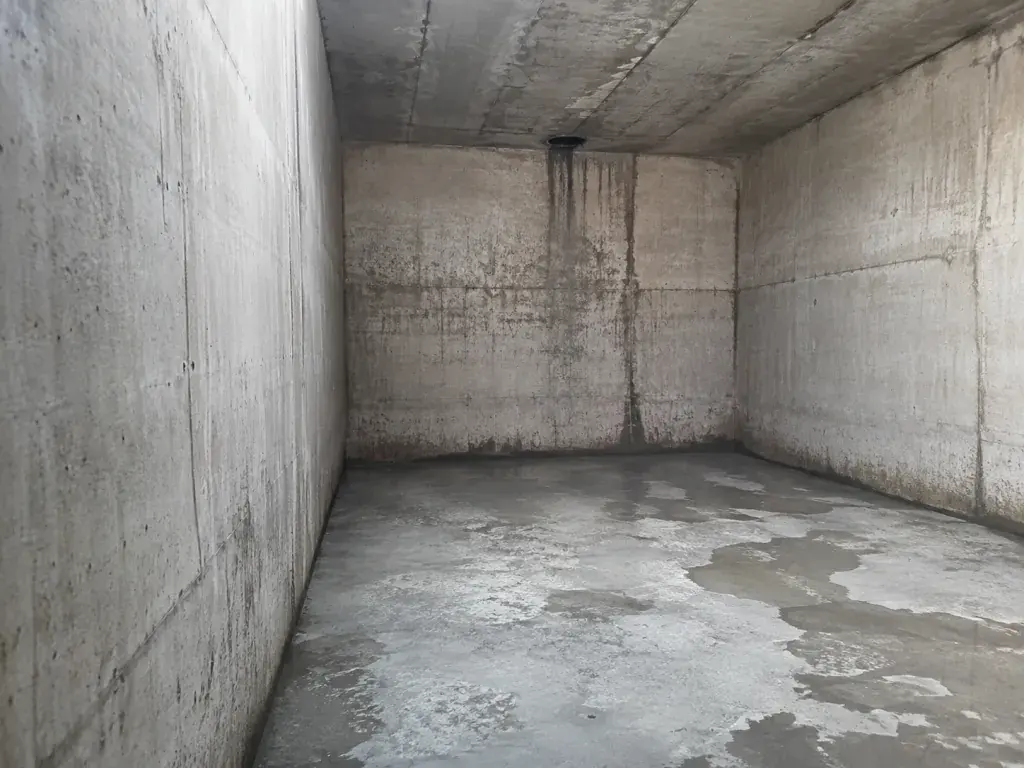
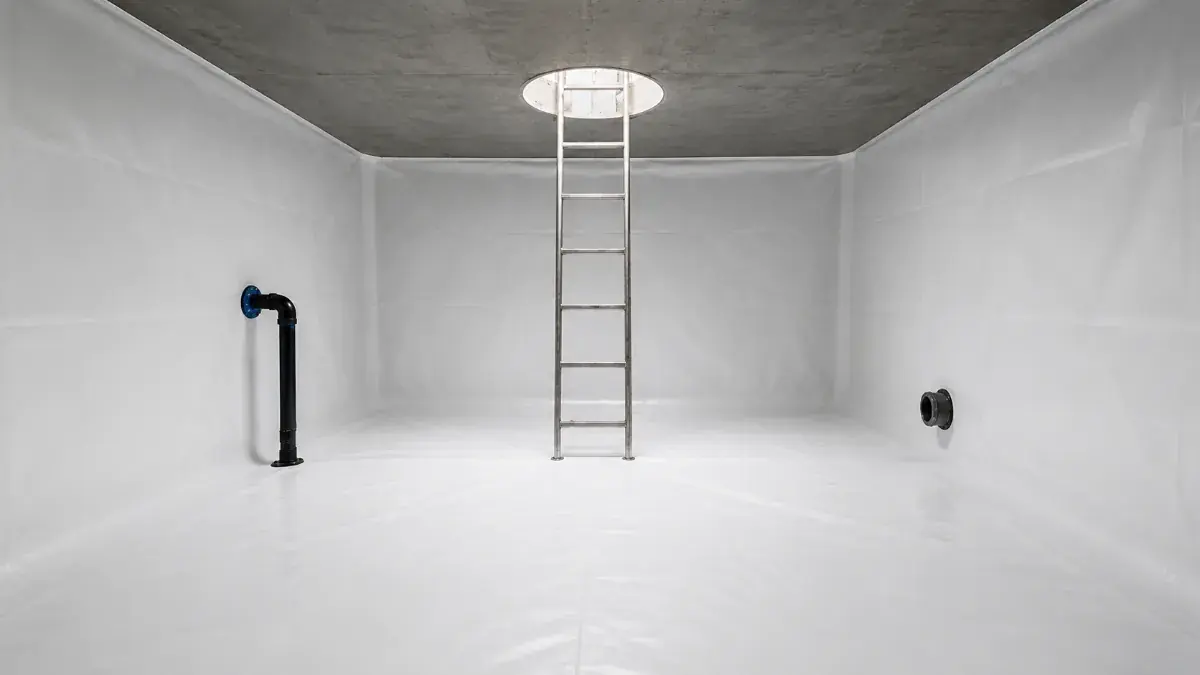
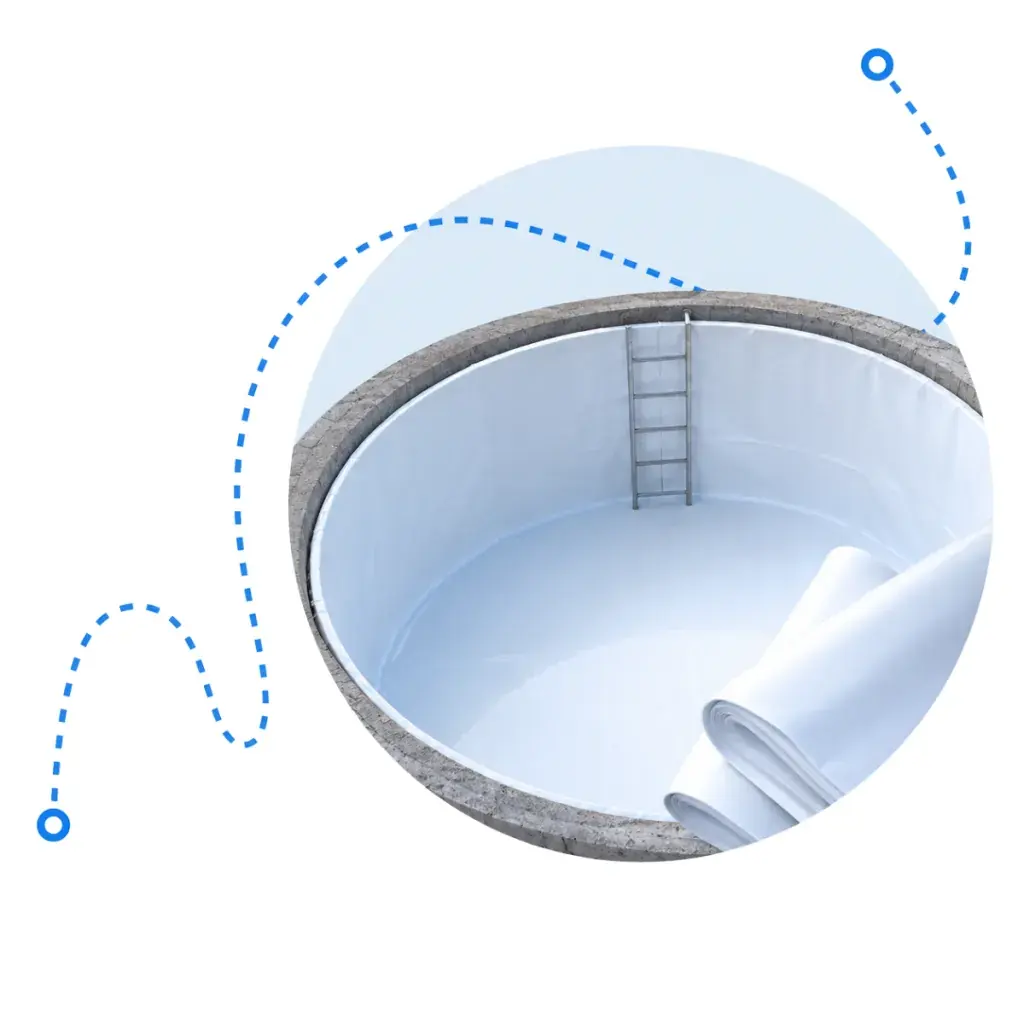
Quick answer: A cistern is a tank that stores water for later use. That's the whole definition. Everything else is detail about material, size, and where the water came from before it got there.
Cisterns show up on rural properties, cottages, farms, and anywhere municipal water is not the primary source. If you've just moved somewhere with one and nobody handed you an owner's manual, you're not alone. Most people meet their cistern for the first time when something about it stops working.
How a cistern works
Water goes in from a well, a truck delivery, or collected rainfall, and sits in the tank until it is drawn out through a pump connected to the property's plumbing. The tank itself is passive. It does not treat water, it just holds it. Anything that needs to happen to the water before or after storage, like filtration or treatment, is a separate system entirely. A cistern is storage, not a water treatment plant with delusions of grandeur.
Types of cisterns
- Concrete: built in place, most common for larger or older installations, almost always in-ground
- Polyethylene (poly): pre-made, lighter, common above and below ground
- Steel: less common now, needs a corrosion-resistant coating to hold up
- Fiberglass: pre-made, resistant to most forms of degradation
Underground cisterns dominate in this climate for one obvious reason: burying the tank keeps it below the frost line, which above-ground storage in an Ontario winter generally cannot manage without a lot of extra effort, and a certain amount of hoping.
Tip: If you don't know what your cistern is made of, check your property's building or well records before assuming. Concrete and poly cisterns are maintained very differently, and guessing wrong wastes a service call.
Cistern vs. well vs. holding tank
| Term | What it actually is |
|---|---|
| Well | An ongoing water source, drawn directly from the ground |
| Cistern | Storage for water that arrived some other way |
| Holding tank | Often used interchangeably with cistern, though it sometimes refers specifically to wastewater rather than drinking water. It's worth confirming which one a listing or contractor means |
Common cistern problems
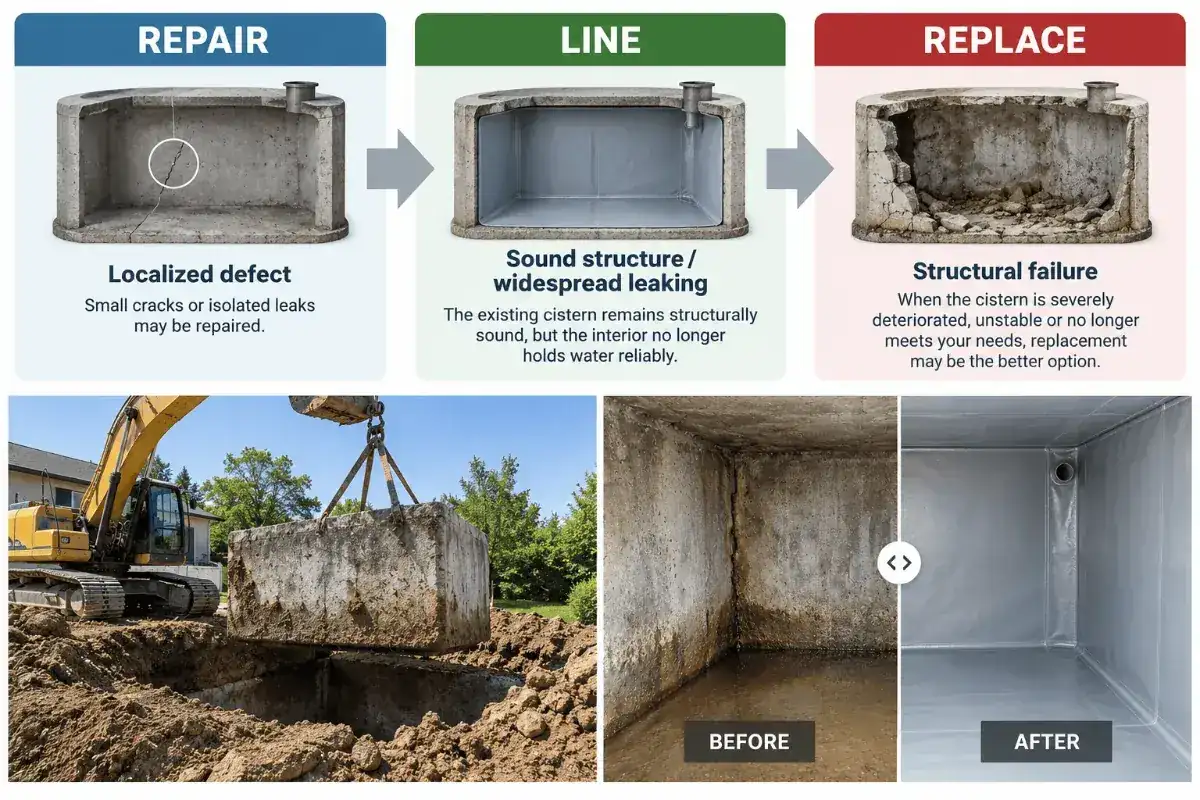
The same issues come up regardless of material: cracking, slow leaks that go unnoticed for months, sediment buildup, and aging fittings. None of these are usually urgent on day one. All of them get more expensive the longer they run unchecked. See the signs of a leaking cistern if that is what brought you here.
Frequently asked questions
Is a cistern the same as a septic tank?
No. A septic tank handles wastewater; a cistern stores water for use. Confusing the two matters, because the materials, code requirements, and what you would actually do if either one failed are different, and one of those mistakes is considerably worse than the other.
Do cisterns need a permit?
Usually, yes, though requirements vary by municipality. Check locally before installing or replacing one rather than assuming.
How do I know if my property has a cistern?
Check property records, or look for an access hatch, usually a metal or concrete lid at ground level near the house. If your water usage does not track with a municipal bill, that is also a hint you are on private storage rather than a public supply. Nobody wakes up excited to check a cistern access hatch, but skipping that five-minute walk is how a small leak turns into a very large invoice.
Further reading: NSF/ANSI/CAN 61 drinking water components standard (SCC), CSA B126 water cistern standard (SCC), and Alberta Agriculture guide to cistern water storage.
↑ Back to top